

Soil health doesn’t improve overnight. It’s a gradual shift—sometimes frustratingly slow—but when things start trending upward, the signs become hard to ignore. You’ll notice it in how your soil handles water, how your crop responds, and even how it smells when you turn it over.
1. Soil Health and Its Functional Significance
At its core, soil health is about the continued capacity of soil to function as a living ecosystem. That means supporting plant roots, holding water and nutrients, and sustaining biological activity without constant intervention.
When soil is healthy, it works with you, not against you. It becomes easier to manage. Crops establish faster. Inputs become more efficient. On the flip side, when soil needs help, you’ll see it—poor growth, inconsistent crop performance, and ongoing soil problems that don’t seem to resolve.
A functioning soil isn’t just about yield. It’s about long-term stability. It’s about creating a system where soil and plants work together to support both health and productivity.
2. Primary Soil Health Indicators to Observe
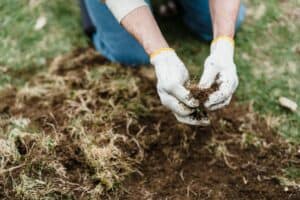
If you want to monitor soil health, you need a reliable set of soil health indicators. These indicators of soil health fall into three broad categories: physical, chemical, and biological.
Physical soil indicators include soil structure, soil texture, and the space between soil particles. These determine how well water moves through soil and how easily plant roots can grow.
Chemical indicators focus on nutrient balance. Soil pH, nitrogen, phosphorus, and overall nutrient levels all matter. A simple soil test or soil health test can give you a snapshot of where things stand.
Biological indicators are often overlooked, but they’re just as important. Soil microbes, fungi, and other soil microorganisms are responsible for breaking down organic matter and driving nutrient cycling. If your soil ecosystem is active, that’s a strong sign things are heading in the right direction.
3. Physical Changes in Soil Over Time
Some of the most noticeable improvements in soil happen right in front of you. You just have to slow down enough to see them.
Start with soil structure. As soil health improves, soil particles begin to bind together into stable soil aggregates. This creates better pore space, which improves water infiltration and airflow.
You’ll also notice changes in soil texture. The texture of your soil becomes more workable. Even clay soil starts to feel less dense and more manageable over time.
Water infiltration is another big one. Instead of water sitting on the soil surface or running off, it moves into the soil more efficiently. That means less erosion, better moisture retention, and more consistent crop performance.
And then there’s soil compaction. As soil improves, compaction decreases. Plant roots can push deeper, accessing water and nutrients that were previously out of reach.
4. Organic Matter and Carbon Dynamics in Soil
If there’s one indicator that tells a long-term story, it’s organic matter.
Organic matter plays a central role in nearly every soil function. It improves soil structure, increases water holding capacity, and feeds the soil food web. When organic matter levels rise, it’s a strong signal that soil health is improving.
Soil organic carbon is part of that equation. It fuels microbial processes that break down crop residue and recycle nutrients like nitrogen and phosphorus.
Over time, residue from crops and cover crop systems decomposes and becomes part of the soil organic matter pool. This cycle strengthens the soil ecosystem and makes it more resilient.
You’ll often see this change visually. Soil color darkens. It feels richer. It holds together better without becoming compacted.
5. Soil Testing and Analytical Evaluation
Observation is powerful, but it’s not enough on its own. Measuring soil gives you clarity.
A soil health test provides data on soil properties like soil pH, nutrient levels, and soil organic carbon. These numbers help you understand what’s happening beneath the surface.
Soil pH affects how nutrients are made available to crops. If it’s off, even a nutrient-rich soil can underperform. Nitrogen levels are another key factor, especially for crop growth and yield.
The Natural Resources Conservation Service offers useful frameworks for assessing soil health indicators and tracking changes in soil over time. Their guidelines help take the guesswork out of soil management.
Regular soil testing allows you to monitor soil health trends and adjust practices accordingly.
6. Biological Activity and the Soil Ecosystem
Healthy soil is alive. That’s not a metaphor—it’s a literal description.
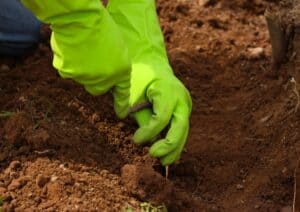
A thriving soil ecosystem includes soil organisms, microbes, and fungi working together in a complex soil food web. These organisms drive biological activity, breaking down organic matter and releasing nutrients in plant-available forms.
Soil microbes and soil microorganisms are especially important. They support nutrient cycling and help maintain soil structure. Fungus networks can even connect plant roots, improving nutrient exchange.
When biological activity increases, soil becomes more efficient. It starts to sustain itself, requiring fewer external inputs to maintain productivity.
7. Field Observations That Signal Improvement
Sometimes, the clearest indicators of healthy soil aren’t found in a lab—they’re found in the field.
Crop performance is one of the first things you’ll notice. Plants grow more uniformly. Root systems become stronger. Plant health improves, even under stress.
Erosion becomes less of an issue. As soil structure improves and soil cover increases, the soil surface is better protected. Cover crop systems play a big role here, helping protect the soil and add organic matter.
Water behaves differently too. It infiltrates more efficiently and stays available longer. That means better access to water and nutrients throughout the growing season.
These are the kinds of changes that tell you your soil is healthy—or at least getting there.
8. Management Practices That Improve Soil Health
Improving soil health doesn’t happen by accident. It’s the result of consistent, intentional soil management.
Cover crop systems are one of the most effective tools available. A well-managed cover crop protects soil, adds organic matter, and supports nutrient cycling.
Reducing disturbance is another key factor. Less tillage means better soil structure, stronger soil aggregates, and a more stable soil ecosystem.
Soil amendments can also play a role, especially when tailored to your specific soil conditions. The goal isn’t to overwhelm the soil, but to support it.
This is where companies like Cultiv 1260 come into the picture. Their approach is grounded in real-world agricultural challenges, particularly in the mountainous regions of Peru, where farming conditions are demanding, and resources are limited. Drawing inspiration from the agricultural ingenuity seen in Machu Picchu, their products are designed to support soil biology, improve soil health, and enhance resilience without relying heavily on conventional inputs.
That philosophy aligns closely with principles promoted by the Natural Resources Conservation Service—focus on long-term soil function, not just short-term fixes.
Sustaining Long-Term Soil Performance
If you’re serious about improving soil health, the key is consistency. Monitor soil health indicators. Run a soil test when needed. Pay attention to what your soil is telling you.
The health of your soil determines everything that follows—crop success, input efficiency, and long-term sustainability. When soil improves, everything else gets easier.
For those looking to take a more informed approach, Cultiv 1260 offers solutions shaped by experience and built on proven agricultural principles. Learn more at https://cultiv1260.com/ or call (844) 428-5848 to explore ways to improve soil health and support long-term productivity.