

Healthy gardens and productive landscapes all start with one thing: soil. It’s easy to focus on flowers, vegetables, or fruit trees because they’re the visible stars of the show. What often gets overlooked is the role of soil in determining whether those plants thrive or struggle.
The truth is that not all plants use nutrients in the same way. An ornamental rose bush grown for beautiful blooms has very different nutritional priorities than a vegetable plant producing food for the table. While both rely on healthy soil, the amount of nutrients they need and how they use those nutrients can vary quite a bit.
Understanding these differences makes it easier to choose the right fertilizer, improve soil health, and create conditions that support stronger plants, better harvests, and long-term soil fertility.
Understanding Why Soil Matters
Soil is much more than dirt. It is a living ecosystem made up of minerals, water, air, organic matter, and countless soil organisms working together beneath the surface.
The importance of soil becomes clear when you look at everything it does. Soil stores water, supplies nutrients, supports roots, and provides a home for beneficial microbes that help break down organic materials. These organisms are constantly involved in nutrient cycling, transforming materials into forms that plants can actually use.
The physical and chemical properties of soil affect nearly every aspect of plant growth. Soil structure influences root development, while soil pH plays a major role in nutrient availability. Even factors like bulk density and soil composition can determine whether roots can easily explore the surrounding environment.
Healthy soil creates the foundation for a healthy plant. Without it, even the best fertilizer program often falls short.
The Different Goals of Ornamental and Edible Plants
One of the biggest differences between ornamental plants and edible plants comes down to purpose.
Ornamental plants are grown for appearance. Gardeners typically want vibrant flowers, rich foliage color, attractive shapes, and long-lasting displays. Nutrient management for these plants often focuses on encouraging blooms and maintaining visual appeal.
Edible plants have a different job. They must produce vegetables, fruits, herbs, and other food crops that people consume. In these cases, the nutritional quality of food matters just as much as the appearance of the plant itself.
A flowering annual may perform beautifully with a fertilizer that encourages blossoms. A vegetable crop, however, needs a broader balance of essential nutrients to support root growth, fruit production, and nutrient density.
This is why a fertilizer that works well for ornamental beds may not be the ideal choice for food production. Plants require nutrients based on their purpose, growth stage, and expected yield.
Essential Nutrients and Their Impact on Plant Growth
Every plant relies on a collection of essential nutrients to complete its life cycle.
Nitrogen is often associated with lush green growth. Ornamental foliage plants usually benefit from adequate nitrogen because it supports vigorous leaves and stems. Too much nitrogen in vegetable gardens, however, can sometimes lead to excessive leaf growth at the expense of fruits.
Phosphorus supports root development and flowering. It plays a particularly important role during early growth and reproductive stages.
Potassium helps regulate water movement within the soil and plant tissues. It also contributes to disease resistance and overall vigor.
Secondary nutrients such as calcium, magnesium, and soil sulfur are equally important. Micronutrients like zinc, iron, manganese, and boron may be required in smaller amounts, but deficiencies can still affect plant health.
When nutrient deficiencies develop, symptoms can range from yellowing leaves and weak growth to poor flowering and reduced harvests. Testing your soil remains one of the most reliable ways to identify potential issues before they become major problems.
Soil Health and Nutrient Density in Food Crops
When growing edible plants, soil health influences far more than yield alone.
Researchers continue to explore how soil nutrient availability affects nutrient density and the nutritional value of food. Healthy soil supports stronger biological activity, which can improve the movement of nutrients from the soil into plants.
The connection between soil health and human health is becoming increasingly important. Food crops grown in biologically active soils often benefit from improved access to nutrients available throughout the growing season.
Organic matter content plays a major role here. Higher levels of soil organic matter can improve water retention, support soil microbial activity, and enhance soil fertility. Increased soil organic matter also helps protect against soil erosion while improving overall soil quality.
As conversations continue about the status of the world’s soil and the protection of the world’s soil resources, many growers are focusing on farming practices that strengthen rather than deplete the soil.
Fertilizer Approaches for Ornamentals and Edibles
There is no universal fertilizer program that works for every garden.
Ornamental plants are often managed with products formulated to encourage flowering, maintain foliage color, or support specific aesthetic goals. Since appearance is the priority, nutrient programs are usually designed around visual performance.
Food crops require a more balanced strategy. Nutrient management must consider crop type, growth stage, expected harvest, and existing nutrient levels.
Many gardeners combine fertilizer applications with compost and other soil amendments. This approach helps maintain soil fertility while supporting biological activity within the soil.
Some growers prefer organic food production systems, while others use conventional approaches. Regardless of the method, the goal remains the same: provide the nutrients they need while preserving healthy soil for future seasons.
Good fertilizer decisions begin with assessing soil conditions rather than guessing.
Assessing Soil and Improving Soil Quality
Many soil problems can be avoided through regular testing.
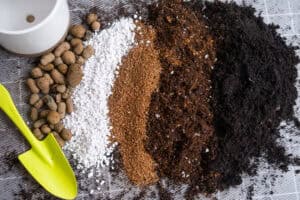
Assessing soil provides valuable information about soil pH, nutrient levels, organic matter content, and other soil properties that influence plant performance. Testing your soil removes much of the uncertainty from nutrient management decisions.
Several practices consistently help improve soil quality:
- Add compost regularly
- Protect exposed soil surfaces
- Reduce excessive tilling of the soil
- Practice cover cropping when appropriate
- Monitor nutrient levels over time
- Apply targeted soil amendments based on test results
These steps can improve soil structure, enhance nutrient availability, and support a more active soil community.
The volume of soil available to roots also matters. Restricted root zones often limit access to water and nutrients, reducing overall plant growth and productivity.
The Power of Organic Matter and Soil Biology
Healthy soil depends on life. A thriving soil food web includes bacteria, fungi, earthworms, insects, and countless microorganisms. Together, they break down organic materials and return nutrients back into the soil where plants can access them.
The soil microbiome affects everything from nutrient cycling to disease suppression. Scientists continue to discover how soil microbial populations influence plant-soil relationships and overall ecosystem function.
Adding compost is one of the most effective ways to build soil over time. Compost increases soil organic matter content, improves water retention, and supports beneficial biological activity.
Organic matter also helps hold the soil together, reducing the risk of loss of soil caused by erosion. Over time, soil with compost generally develops better structure and greater resilience.
Simply put, healthy soil biology enhances soil performance in ways that synthetic inputs alone cannot replicate.
Common Nutrient Problems and Soil Mistakes
Even experienced gardeners occasionally run into issues. One common mistake is applying too much fertilizer. Excessive applications can affect soil organisms, disrupt nutrient uptake, and create nutrient imbalances.
Another issue is neglecting soil testing. Without accurate data, it is difficult to understand nutrient availability or identify low soil conditions that may be limiting growth.
Failing to replenish organic matter can also reduce soil fertility over time. The gradual decline of soil organic matter content often contributes to poorer soil quality and weaker plant performance.
Poor management practices on soil can accelerate soil degradation as well. Repeated disturbance, inadequate ground cover, and failure to return plant residues to the soil all contribute to declining productivity.
The relationship between plants and soil is dynamic. Paying attention to both sides of that relationship leads to healthier gardens and more reliable results.
Build Better Soil for Long-Term Success
Whether the goal is growing colorful ornamentals or producing nutritious vegetables, healthy soil remains the foundation of success.
Ornamental plants and edible plants may require different nutrients and management strategies, but both depend on strong soil health, balanced fertility, and active biological processes. Investing in soil today helps support healthier plants, better harvests, and more sustainable food systems tomorrow.
For growers looking to improve soil quality and support long term productivity, CULTIV 1260 offers solutions inspired by real agricultural experience. The company was born from time spent in the mountains of Peru, where successful agriculture often determines a family’s ability to thrive under challenging growing conditions.
Drawing inspiration from the agricultural ingenuity of the Incan civilization and the iconic landscapes surrounding Machu Picchu, CULTIV 1260 focuses on practical approaches that enhance soil performance and support productive growing environments.
To explore their products and learn more about their approach to soil health and fertility, visit cultiv1260.com or call (844) 428 5848.